
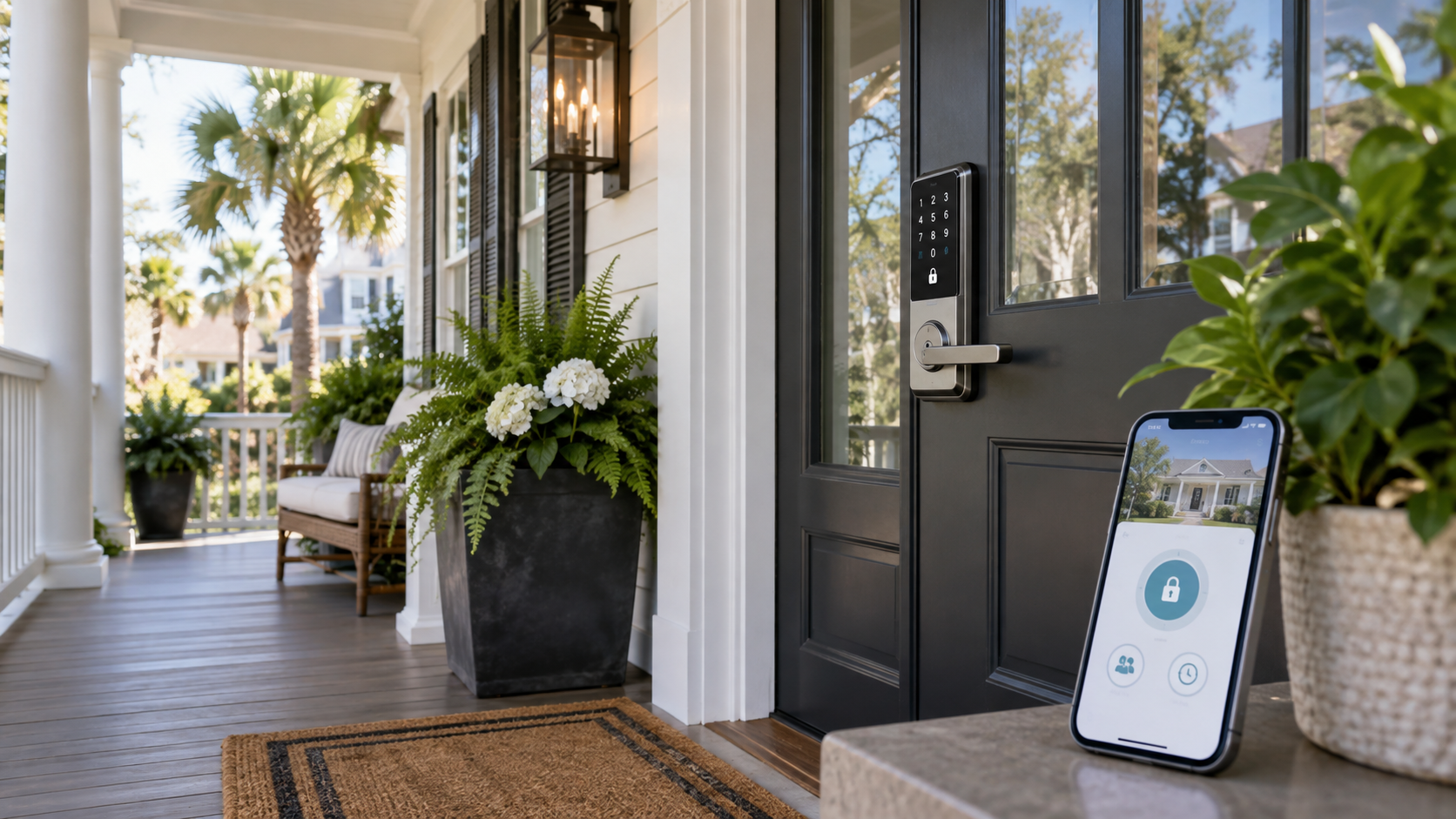

Technology has changed many parts of everyday life, including the way homeowners manage access to their properties. Traditional keys remain common, but smart locks have introduced new ways to control and monitor entry points.
Smart locks allow homeowners to use digital methods such as codes, mobile applications, electronic credentials, or connected devices instead of relying only on traditional physical keys.
For many homeowners, the appeal of smart locks comes from convenience and flexibility. However, like any security technology, smart locks should be evaluated carefully based on installation, usage habits, device management, and the specific needs of the property.
Understanding how smart locks work and what factors to consider can help homeowners make better decisions when exploring modern access solutions.
What Is a Smart Lock?
A smart lock is an electronic locking device designed to control access through digital technology.
Unlike traditional mechanical locks that rely primarily on physical keys, smart locks may use:
- Keypad codes
- Smartphone applications
- Bluetooth communication
- Wi-Fi connectivity
- Electronic credentials
- Biometric features in some models
Smart locks can vary significantly in design and features. Some replace existing deadbolt hardware, while others add electronic control capabilities to existing locking systems.
How Smart Locks Work
Smart locks typically combine mechanical locking components with electronic technology.
Depending on the model, access may be controlled through:
Keypad Entry
Many smart locks allow users to enter a programmed code instead of using a physical key.
This can be useful for:
- Family members
- Temporary visitors
- Service providers
- Rental properties
Users can often create, change, or remove codes depending on the lock system.
Smartphone Access
Some smart locks connect with mobile applications.
Features may include:
- Locking or unlocking remotely
- Managing users
- Checking activity history
- Receiving notifications
These features depend on the specific device and network setup.
Digital Credentials
Some systems use electronic credentials rather than traditional keys.
Examples may include:
- Mobile device authentication
- Electronic key sharing
- Access cards
- Digital passes
These systems are often used in situations where managing multiple users is important.
Benefits of Smart Locks
Smart locks offer several features that attract homeowners looking for modern access options.
Convenience Without Physical Keys
One of the most common reasons homeowners consider smart locks is convenience.
Instead of carrying a traditional key, users may access a property through:
- A keypad code
- A smartphone
- Another approved electronic method
This can be helpful for people who frequently manage multiple access needs.
Easier Access Management
Traditional keys can be difficult to manage when many people need access.
Smart locks may simplify access management by allowing homeowners to:
- Create temporary codes
- Remove old access permissions
- Change codes when needed
- Manage different users
For example, homeowners may provide temporary access to guests without creating additional physical keys.
Remote Monitoring Features
Some smart locks offer activity tracking features.
Depending on the device, homeowners may receive information such as:
- When the lock was used
- Which user accessed the door
- Whether the door is currently locked
These features can provide additional awareness about property access.
Integration With Smart Home Systems
Some smart locks can connect with broader smart home platforms.
Integration may allow homeowners to connect door access with:
- Home automation systems
- Security devices
- Voice assistants
- Other connected technology
The level of integration depends on the specific lock and platform compatibility.
Smart Locks and Home Security
A common misconception is that installing a smart lock automatically makes a home completely secure.
Security is influenced by many factors, including:
- Door construction
- Lock installation
- Hardware quality
- User habits
- Account security
- Physical property conditions
A smart lock is one part of an overall security approach.
Physical Security Still Matters
Even advanced electronic features do not replace the importance of physical door security.
Homeowners should consider:
- Door strength
- Door frame condition
- Deadbolt quality
- Strike plate installation
- Hinge condition
- Overall entry-point design
A secure access system depends on the entire entry point, not only the lock mechanism.
Digital Security Considerations
Because smart locks involve technology, digital security becomes an important consideration.
Homeowners should practice responsible device management, including:
- Using strong passwords
- Protecting account access
- Installing manufacturer updates
- Reviewing connected users
- Removing unnecessary permissions
A smart lock account should be managed with the same care as other important digital accounts.
Battery and Power Considerations
Many smart locks operate using batteries.
Homeowners should understand:
- Expected battery life
- Low-battery notifications
- Emergency access options
- Replacement procedures
A lock that loses power should have a backup method for authorized users.
Choosing Between Smart Locks and Traditional Locks
The choice between traditional locks and smart locks depends on individual needs.
Traditional locks may remain suitable for homeowners who prefer:
- Simple operation
- Mechanical systems
- Physical key access
Smart locks may appeal to homeowners who value:
- Keyless entry
- User management
- Digital convenience
- Smart home integration
Neither option is automatically right for every property.
Smart Locks for Rental Properties
Smart locks are often considered for properties where multiple people require access.
Potential uses include:
- Guest access
- Temporary codes
- Property management
- Changing access between occupants
However, property owners should carefully manage access permissions and follow applicable rental requirements.
Smart Locks for Families
Families may appreciate smart locks because they can simplify everyday access.
Possible benefits include:
- Less dependence on spare keys
- Easier access management
- Temporary codes for trusted users
- More control over who can enter
However, households should still establish responsible access habits.
Common Smart Lock Misconceptions
Myth: Smart Locks Cannot Be Hacked
No connected technology should be considered completely immune from security risks.
Responsible setup and account protection remain important.
Myth: Smart Locks Replace All Other Security Measures
A smart lock is only one component of property security.
Other factors, including doors, windows, lighting, and general security practices, also matter.
Myth: Smart Locks Never Need Maintenance
Like traditional locks, smart locks require attention.
Maintenance may include:
- Battery replacement
- Software updates
- Hardware inspection
- Checking proper operation
Installing a Smart Lock
Installation requirements vary depending on the lock design and existing door hardware.
Important considerations include:
- Door compatibility
- Existing deadbolt configuration
- Alignment
- Proper mounting
- Network requirements
Incorrect installation can affect reliability and operation.
When unsure, homeowners may benefit from consulting a qualified professional.
Maintaining a Smart Lock
Regular maintenance can help improve reliability.
General practices include:
- Checking battery levels
- Testing access methods
- Updating software
- Reviewing user permissions
- Inspecting physical components
Technology works best when it is properly maintained.
The Future of Residential Access
Residential security continues to evolve as technology advances.
Future developments may include:
- More connected devices
- Improved access management
- Better integration between security systems
- Additional authentication methods
However, convenience and security will continue to require balance.
Final Thoughts
Smart locks provide homeowners with new options for managing access, improving convenience, and integrating technology into everyday security routines.
While they offer useful features, smart locks should be viewed as one part of a complete security approach rather than a replacement for responsible security practices.
Understanding how smart locks work, their benefits, and their limitations allows homeowners to make better decisions when considering modern access solutions.
Disclaimer
This article is provided for general educational purposes only. It does not replace professional locksmith evaluation, security assessment, or advice specific to an individual property.
About the Author
Ramon Horton writes educational content for Locksmith Charleston SC covering locksmith services, residential security, access technology, and modern lock systems. His work focuses on helping readers understand security concepts and locksmith terminology in a practical and accessible way.